Places to Visit

The road to America’s 250th anniversary begins in North Carolina. From the Blue Ridge Mountains to the Outer Banks, explore the places where our nation’s story took shape and discover why North Carolina is a cornerstone of America’s journey.
Memorial Stone on grass, with a street in the background

Liberty Point Resolves Monument

This historical monument at the end of Liberty Point at the intersection between Person and Bow Streets honors the 55 local residents who signed the Liberty Point Resolves, an association that started the independence movement in Cumberland County during the American Revolution.

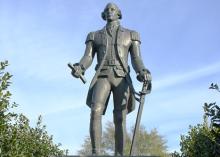
statue of Lafayette. blue sky in background and green bushes.

Marquis de Lafayette Statue

A monument to the Marquis de Lafayette, a Patriot in the American Revolution. Located in Cross Creek Park off of Ann Street in Fayetteville.

Website
Cross Creek Park

Moores Creek National Battlefield

When loyalist forces reached Moores Creek on Feb. 27, 1776, it sparked the first battle of the American Revolution in North Carolina. The National Park Service site offers a visitors center, miles of trails and a November candlelight tour of the battlefield after dark.

Website
Moores Creek National Battlefield
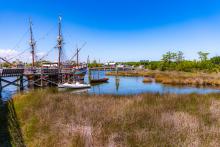
The Elizabeth II ship sits in the water at a dock that is surrounded by marsh at Roanoke Island Festival Park.

Roanoke Island Festival Park

Step into history at Roanoke Island Festival Park, a 27-acre site where you can explore life as it was for the first English settlers in 1585. Costumed interpreters bring the Settlement Site and the Elizabeth II ship to life, while interactive exhibits at the American Indian Town and Adventure Museum offer a hands-on experience for all ages.

https://www.roanokeisland.com/
Roanoke Island Festival Park
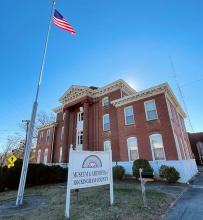
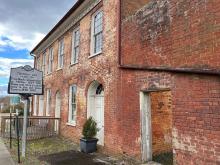
Weathered brick building with a historic marker in front of it.

Thomas Day State Historic Site

Thomas Day, a free Black man, came to Milton in the 1820s. There he produced furniture and other wood pieces for esteemed clientele. With help from the enslaved people on his property and free artisans living with him, his influence on other craftsmen is seen around the state. As of February 2024, the workshop was designated as a State Historic Site.