
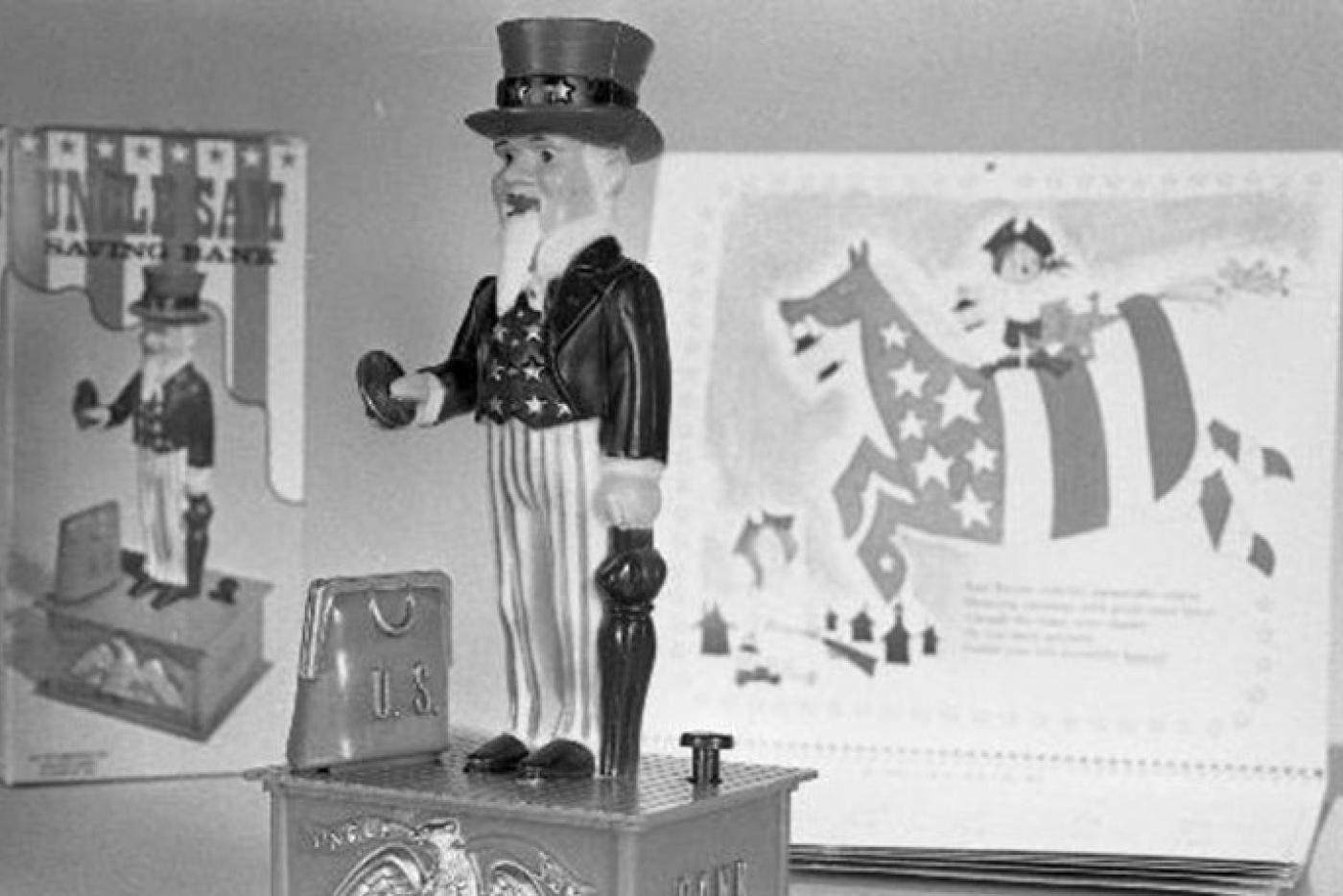
In 1976, the United States marked 200 years since the American Revolution—but it wasn’t just about fireworks and parades. On a national level, the Bicentennial celebrated famous leaders and events from 1776. As the country grappled with issues like the Vietnam War and a struggling economy, citizens reflected on what freedom meant. People in local communities—including Black Americans, American Indians, women, and others—used the Bicentennial to share their own stories. They saw the American Revolution as still happening, a chance to speak up and be heard. No matter how people chose to take part in the Bicentennial, one thing was certain: history was no longer just a dusty thing of the past, but an active participant in popular media, consumer goods, and homes.
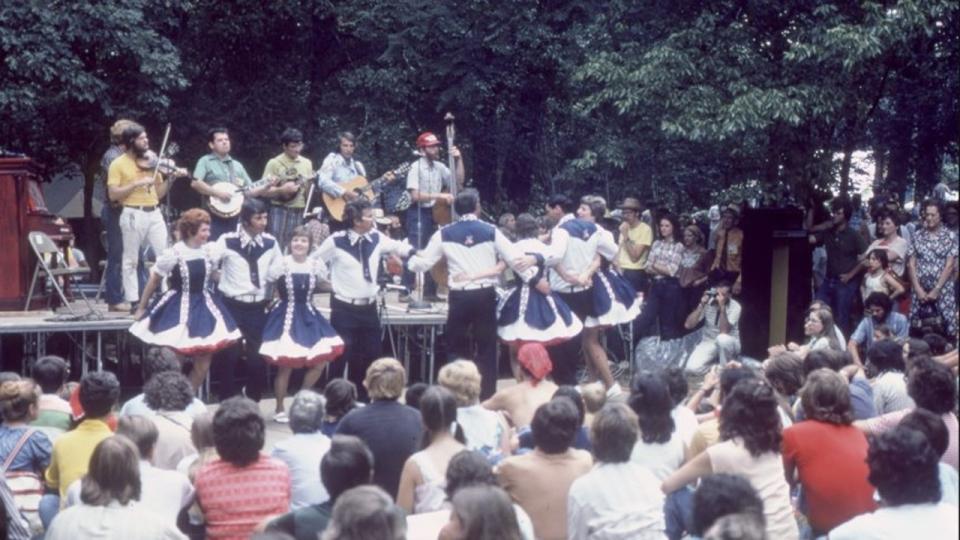
In 1966, ten years before for the 200th anniversary of the United States, the national American Revolution Bicentennial Commission formed. The committee focused on a top-down celebration with a focus on large-scale national projects and events but was criticized for its bureaucracy and disconnection from the public. The American Revolution Bicentennial Administration replaced the commission in 1973, focusing on local, grassroots participation, allowing communities to design their own commemorative activities.
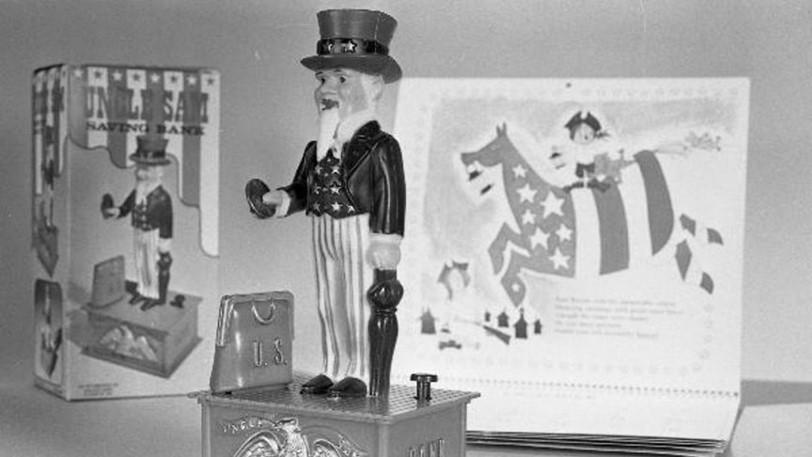
In North Carolina, the Bicentennial was present in the state’s own American Revolution Bicentennial Committee as well as in the homes of its citizens, as mass manufacturing of patriotic items proliferated. By 1976, many North Carolina homes were filled with, as one January 1976 News and Observer article put it, “doodads” to “inflate your patriotic spirit and deflate your pocketbook.”
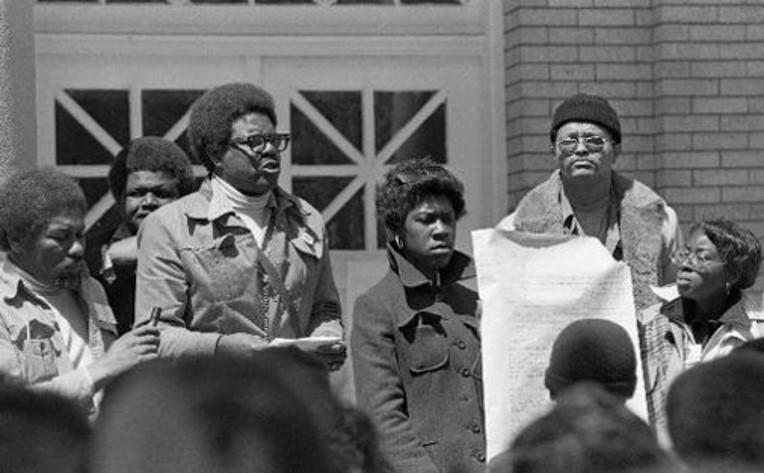
Some found “the Spirit of 76” through consumerism and popular culture that called upon a nostalgic, celebratory look of the American Revolution. Others used art, protests, and community events to bring history closer to home and make it more personally meaningful. One example is Golden Frinks, a Civil Rights Activist from Edenton, N.C., who led a rally at the Halifax County Courthouse on April 13, 1976; at the same time, North Carolina Governor James Holshouser spoke at the Halifax Resolves Bicentennial event on main street. Frinks presented a modern-day version of the Halifax Resolves, the first official action by a colony to call for independence from England. He declared that, despite the American Revolution 200 years prior, “many people in America are still not free.”
As the nation geared up for a celebration of revolutionary heroes and actions, everyday citizens across the nation found ways to commemorate the Bicentennial in their own communities. The Bicentennial helped raise awareness and excitement about history, spurring a wave of projects and initiatives, like the restoration of historic places. Some important examples across North Carolina include the Allen House in Alamance County, Guilford County Courthouse, and Bennett Place and Stagville State Historic Sites in Durham.
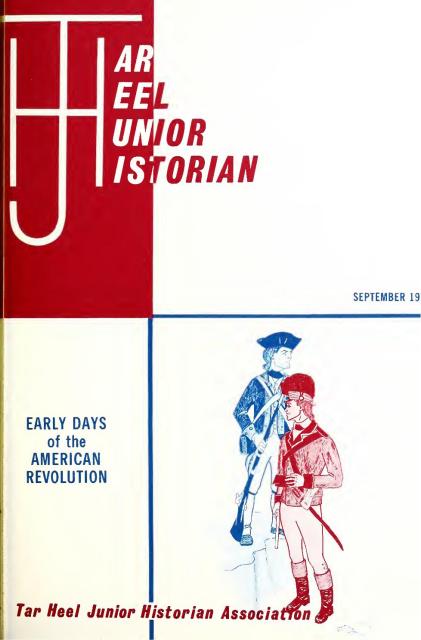
In North Carolina, people also drew closer to American Revolutionary history through educational initiatives. Education acted as an outlet to engage youth, promote civic values, and encourage historical reflection. The Tar Heel Junior Historian, a publication by the North Carolina Museum of History, engaged middle and high school students with state and national history and held contests related to literary, arts, community service, and visual history projects. The North Carolina Bicentennial Gazette (first published in 1971) and the North Carolina Bicentennial Newsletter (1973 onward) were also tools for sharing educational content like articles on Revolutionary War figures and events, features on local history and heritage, and updates on school and community projects across the state.
Similar to the Bicentennial, the 250th commemoration allows us to reflect on our history and our visions for the future. The 250th also offers the opportunity to spur new public history initiatives, whether local or national, and discover how the past interacts with our daily lives. Commemorations like the Bicentennial and the 250th bring history closer to our lives and unite us all with shared stories.
Check out the Spirit of ‘76 in North Carolina: Revisiting the Bicentennial online exhibit: https://www.america250.nc.gov/digital-exhibits
A physical version of the exhibit is located in North Carolina’s State Capitol until August 1, 2026.