
Every summer, between Juneteenth and July 4th, communities across the country come together for Civic Season – a new annual tradition that encourages young people to learn and engage with history. As we approach Civic Season, this 250th year since the signing of the Declaration of Independence, we reflect on North Carolina’s past and the long struggle over power to participate in civic life. To understand our responsibility as citizens today, we must look into our history and examine the conflict, reform, and resistance that have shaped our state.
The 15th Amendment to the U.S. Constitution became law in 1870, declaring that all men could vote, regardless of race. Once the Democratic Party regained control of the state legislature, it passed laws to suppress Black men’s right to vote. At the local level, bribery, intimidation, and fraud also suppressed African American voting. Hope grew for Black voters when the Populist Party emerged from farmers’ organizations and formed an alliance with the Republican Party, termed “Fusionist.” In 1894, this alliance won majorities in the General Assembly and the state supreme court and elected a governor two years later.
Some in the Democratic Party reacted with intimidation and terrorist tactics, including the Wilmington Coup of 1898. By election day that year, Democrats had regained control of government.
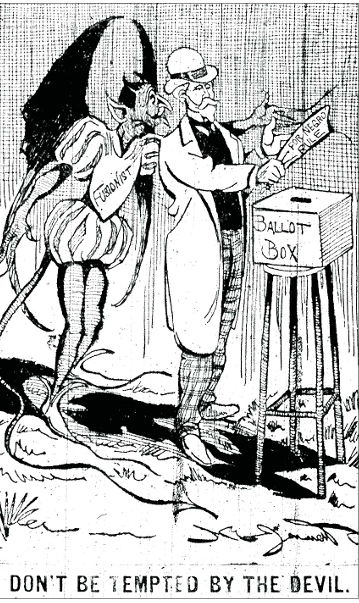
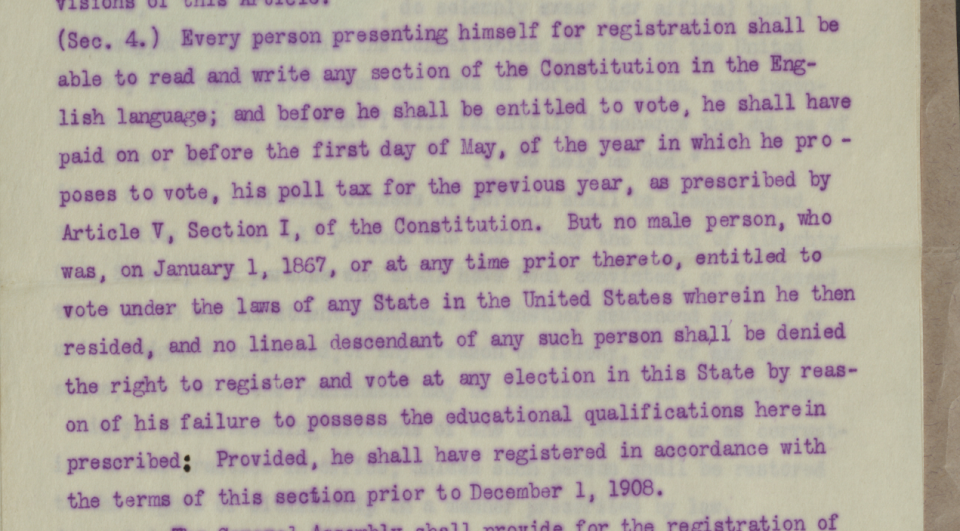
The Suffrage Amendment of 1901 required voters to pay poll taxes and pass literacy tests. The way the amendment was written made it seem like it applied to all races equally and complied with the 15th Amendment. However, Democratic legislators acknowledged the amendment’s purpose to disenfranchise African Americans. During this time, nearly 30% of White people were illiterate. But the amendment included a “grandfather clause,” allowing men to vote if their ancestors had voted before 1867. This meant illiterate White voters could usually avoid the literacy tests. When Black men tried to vote, White officials often chose the hardest passages of the constitution for them to read and write.
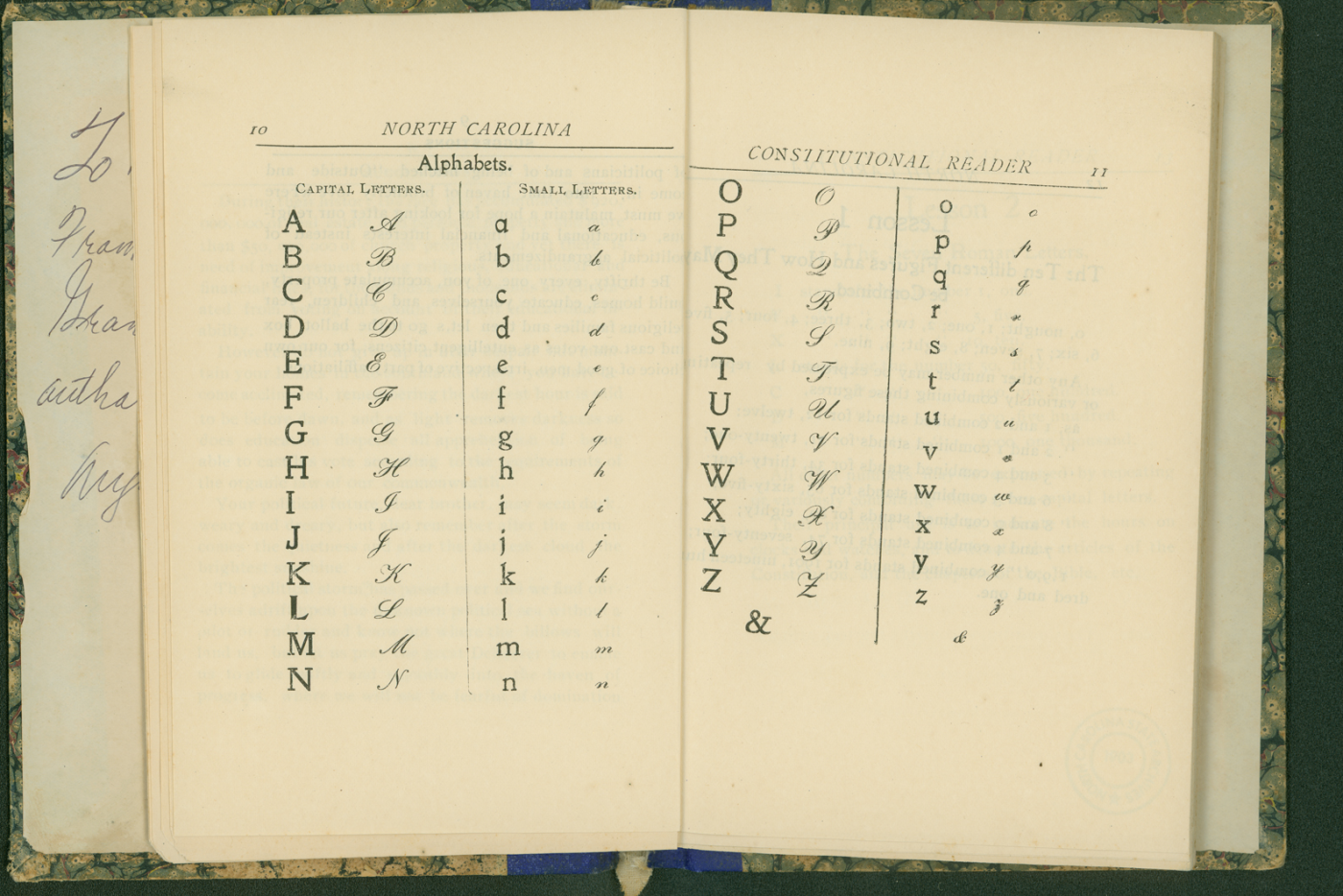
The effect of the amendment on elections statewide was severe. By 1902, Black voter turnout was low and did not improve until the federal Voting Rights Act of 1965. Still, supporters of voting rights made efforts to aid those affected by literacy tests. Educator Governor Ellis Harris, known as “G. Ellis,” wrote the North Carolina Constitutional Reader in 1903 to help others in his community pass the literacy test and vote.
Explore more primary sources in the State Archives’ North Carolina Digital Collections: