
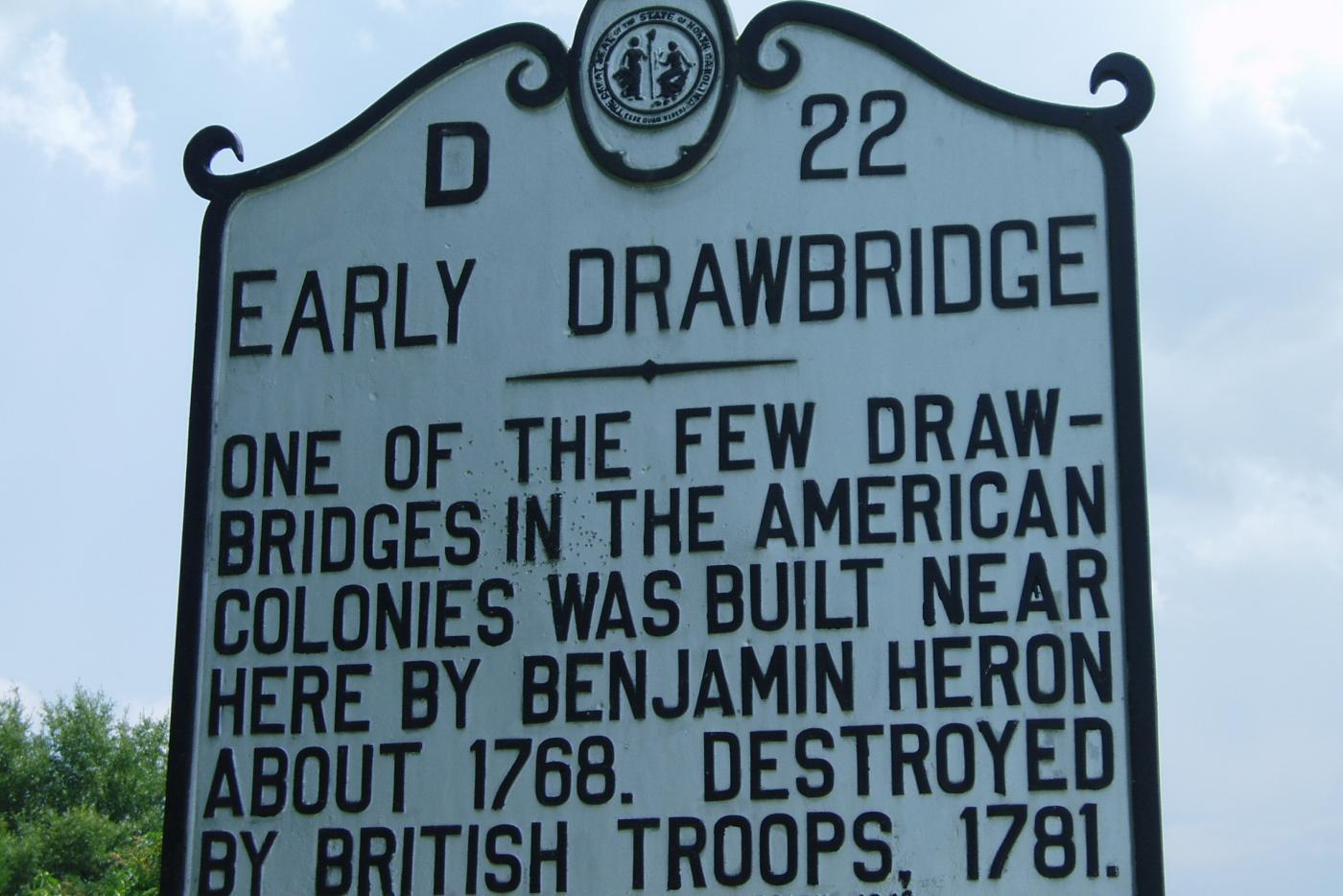
Today’s Worth Knowing focuses on a historic bridge – and Revolutionary War combat – near Wilmington, and how archaeology can help us know more about history that took place in southeast North Carolina.
After the Battle of Moores Creek Bridge in February 1776 in today’s Pender County, the lower Cape Fear region was spared further pains of conflict in what had become the Revolutionary War. But in January 1781, British regular soldiers of the 82nd Regiment arrived in the region under Major James Craig with orders from General Cornwallis to capture Wilmington for the British and prepare the city for the arrival of this beleaguered army.
Seeing Major Craig and his forces disembark just south of Wilmington, Patriot forces under Col. Henry Young and Brigadier General Alexander Lillington abandoned that city and rendezvoused at a fortified position known as Heron’s Bridge, a crossing of the Northeast Cape Fear River complete with one of the earliest drawbridges in America, approximately 10 miles northeast from Wilmington.
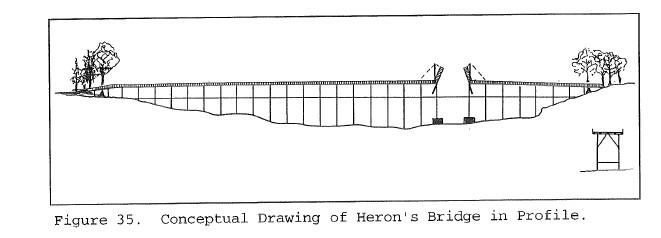
Once Major Craig learned of the Patriots withdrawal, he organized a force of 250 soldiers from the 82nd Regiment, Royal Navy Marines, and two 3-pound cannon to march on the Patriot fortifications. In the early morning hours of January 30, 1781, the British launched a devastating attack on the Patriot forces, forcing them to withdraw from the battlefield and securing a vital river crossing for British forces.
The victory was short-lived however, as the bridge and river crossing would change hands several times in the coming weeks and months, and there was even a second Battle of Herons Bridge later in the spring of 1781. Perhaps due to its relatively small-scale and its inconsequential outcome, much is still unknown about the Battles of Herons Bridge.
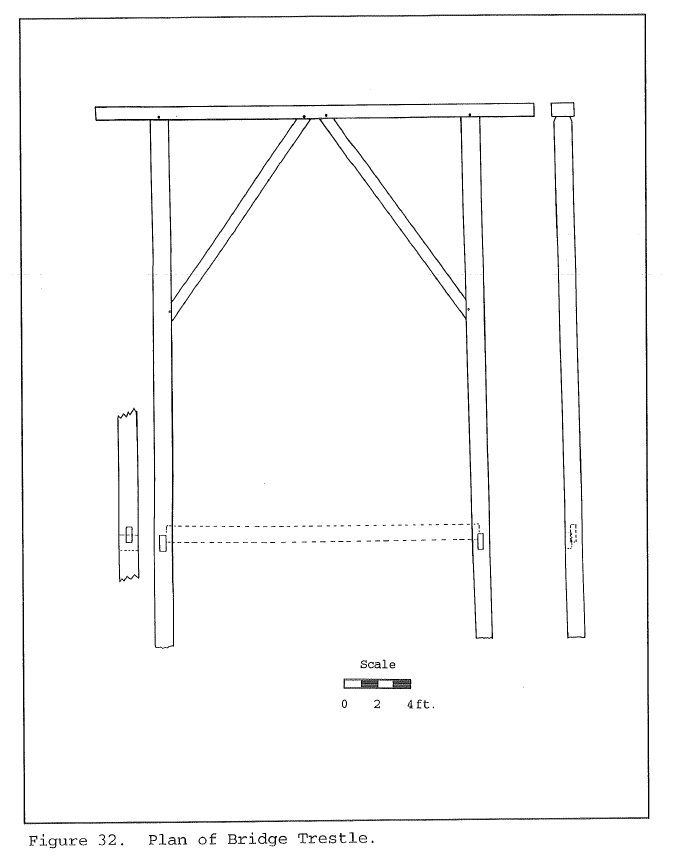
Archaeological interest in Heron’s Bridge began with archaeological investigation undertaken by the East Carolina University’s Program in Maritime History and Underwater Research in 1986 of the Blossom’s Ferry Vessels, a nineteenth-century ferry crossing adjacent to the historical location of Heron’s Bridge. While investigating the two ferry vessels, archaeologists noted the presence of large, joined timbers along the river bottom. Closer examination of them led to the hypothesis that these may be components of one of the several iterations of wooden bridges at this location over the Northeast Cape Fear River. Further research by Wes Hall (1992) for his master’s thesis concluded that these timber bridge components most likely correlated with the 1760s colonial drawbridge, constructed by its namesake Benjamin Heron.
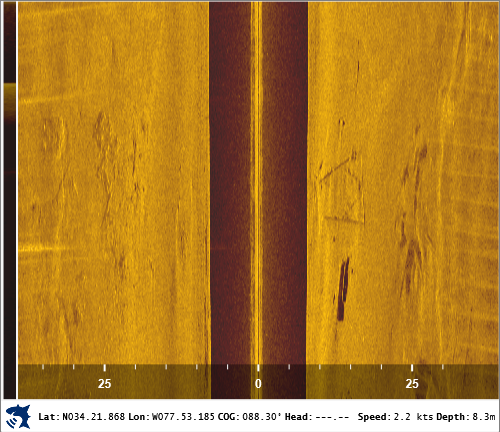
Based on Hall’s historical and archaeological investigations, and with our agency’s America 250 programming, the Underwater Archaeology Branch (UAB) of the North Carolina State Historic Preservation Office has renewed historical interest in this stretch of the Northeast Cape Fear where these Revolutionary War battles occurred. With modern remote-sensing equipment, the UAB team began resurveying the river-bottom, providing the team with updated imagery of the two ferry vessels and the surviving components of the colonial bridge. The team hopes to continue their survey later in 2026 to locate additional components of the colonial bridge and provide archaeological context to the historical narrative of the battle. The Department of Natural and Cultural Resources media team tagged along with the UAB during their initial revisit of the site this past summer, and filmed this work (available on YouTube).
Learn more:
https://www.dncr.nc.gov/blog/2023/12/08/herons-bridge-d-22
https://www.battlefields.org/learn/revolutionary-war/battles/wilmington
http://thescholarship.ecu.edu/items/80efa487-00c7-4d36-b20b-9b24b9b0ccb9 --- Wes Hall thesis
https://maritimestudies.ecu.edu/wp-content/pv-uploads/sites/92/2020/01/ecur001.pdf --- Blossoms Ferry report
The Search for Heron’s Bridge, NC Department of Natural and Cultural Resources (2025): https://www.youtube.com/watch?v=j9AfaEJ6uEg