
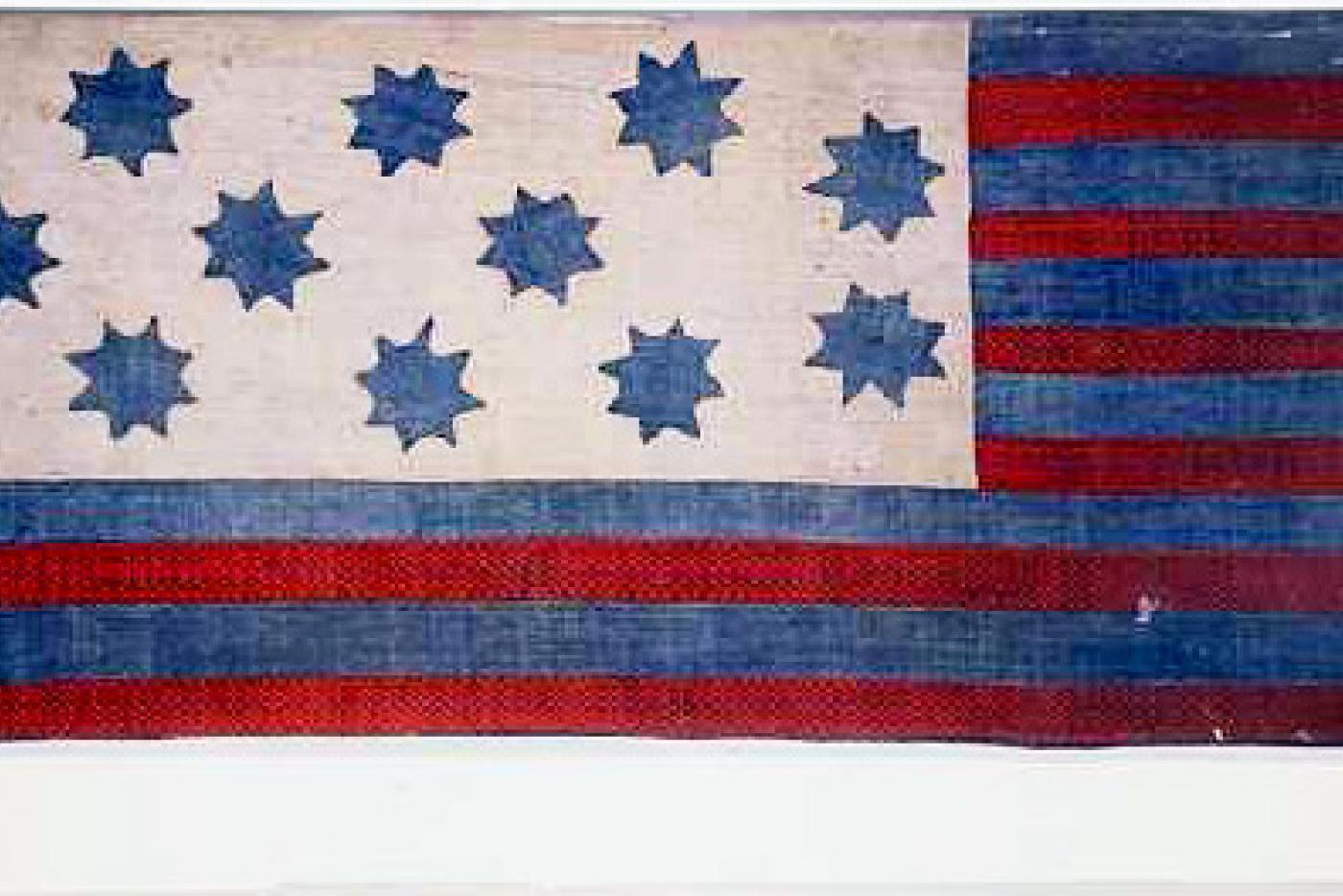
The Battle of Guilford Courthouse, a decisive engagement of the Revolutionary War, took place north of Greensboro on the afternoon of March 15, 1781. After little success in the mid-Atlantic and New England colonies, the British turned their attention to the South in 1778. One reason was South Carolina was the wealthiest colony and a priority for England to keep. Another was the British belief that many loyalists in the region would join to fight with the British army. British military strategy centered on conquering the South and restoring royal authority, then attempting to take control of the North.
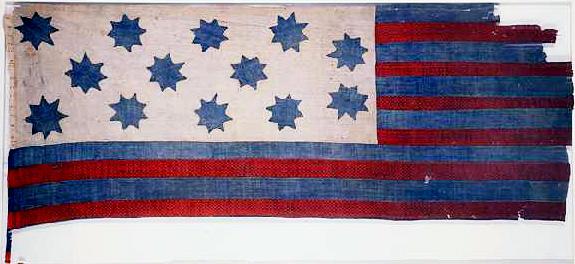
Following Patriot defeats in South Carolina and Georgia, General George Washington urged Congress to appoint Nathanael Greene as commander of the Southern Army in 1780. Greene’s strategy was to lure the British Army, led by Lord Charles Cornwallis, into a chase from the S.C. border through the N.C. Piedmont to the Dan River in Virginia. With many loyalists exiled after the 1776 Battle of Moores Creek Bridge, there was little support for British troops under Lord Cornwallis five years later. Both armies, especially the British, struggled to supply troops with food, leather for shoes, and ammunition.
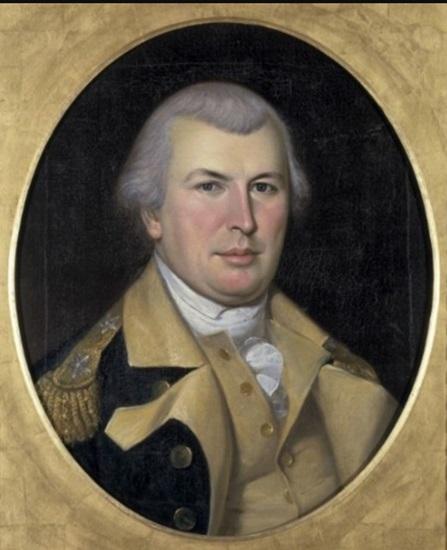
After two months of marching, Greene turned south again, and the two armies engaged in battle at Guilford Courthouse on March 15, 1781. Officials reported 93 British and 79 Continental soldiers dead, with hundreds more wounded. British officer Charles O’Hara wrote in a personal letter that, despite newspaper reports of British success at the battle:
I wish it had produced one substantial benefit to Great Britain, on the contrary, we feel…the sad and fatal effects of our loss on that Day, nearly one half of our best Officers and Soldiers, were either Killed or Wounded, and what remains are so completely worn out, by the excessive Fatigues of the Campaign in a march of above a Thousand Miles, most of them barefoot, naked and…living upon Carrion… and three or four ounces of unground Indian Corn has totally distroy’d this Army… every part of our Army was beat repeatedly.
It soon became apparent that Greene’s forces had done irreparable damage to Cornwallis’s army. Cornwallis slowly retreated to safety in Wilmington, searching for supplies and a way to mend his shattered force. One member of Parliament in England derided Cornwallis’s so-called victory at the Battle of Guilford Courthouse, declaring, “another such victory would ruin the British Army.” The accuracy of that observation soon played out. Cornwallis, still intending to conquer the South, shifted to Virginia, where another American force was assembling. At Yorktown seven months later, Cornwallis surrendered to Gen. George Washington.
The legacy of Greene’s heroic leadership grew after the Revolution. He died at age 44 in 1786, and many towns and counties honored him with names. In N.C.:
- Greenville, renamed 1784
- Greene County, renamed 1799
- Greensboro, formed 1808
A variety of primary sources in the State Archives document the new state’s struggles to supply the troops during the Southern Campaign:
Letter from John Penn to Alexander Mebane, Military Collection, War of the Revolution papers, Board of War Correspondence, Sept. 23, 1780, box 1, folder 1, AMREV.1, State Archives of N.C., digital.ncdcr.gov/Documents/Detail/board-of-war-correspondence-september-1780/420091?item=420221.
Letter from John Penn to General John Butler, Military Collection, War of the Revolution, Board of War Materials, Sept. 23, 1780, State Archives of N.C., digital.ncdcr.gov/Documents/Detail/board-of-war-correspondence-september-1780/420091?item=420292.
Letter from John Taylor to Philip Vass, October 8, 1780 Military Collection, War of the Revolution papers, Commissary Correspondence, box 1, AMREV.1, State Archives of N.C., digital.ncdcr.gov/Documents/Detail/commissary-correspondence-1780/419427?item=419457.
Letter from Joshua Potts to Colonel Thomas Wooten, March 16, 1781, Military Collection, War of the Revolution, Commissary Correspondence, AMREV.1, State Archives of N.C., digital.ncdcr.gov/Documents/Detail/commissary-correspondence-march-1781/419543?item=419554.
Letter from Arthur Arrington to Joshua Potts, Commissary Correspondence, March 21, 1781, AMREV.1, State Archives of N.C., digital.ncdcr.gov/Documents/Detail/commissary-correspondence-march-1781/419543?item=419585.
Petition of the Inhabitants of Guilford County, June 28, 1781, General Assembly Session Records, June-July 1781, box 1, State Archives of N.C., digital.ncdcr.gov/Documents/Detail/joint-papers-june-july-1781-committee-of-propositions-and-grievances/691807?item=691852.
Sources
Stoesen, Alexander R. “Guilford Courthouse, Battle of.” NCpedia, Library of NC. 2006. https://www.ncpedia.org/guilford-courthouse-battle.
George C. Rogers, Jr., ed. “Letters of Charles O’Hara to the Duke of Grafton,” South Carolina Historical Magazine, V. 65, No. 3 (July 1964), pp. 158-180.