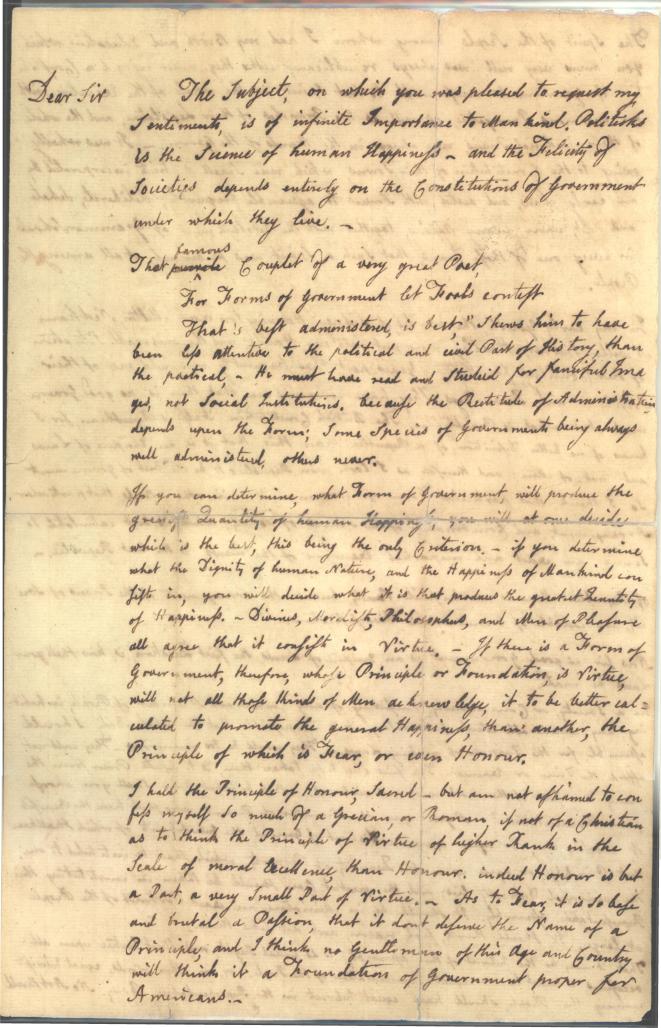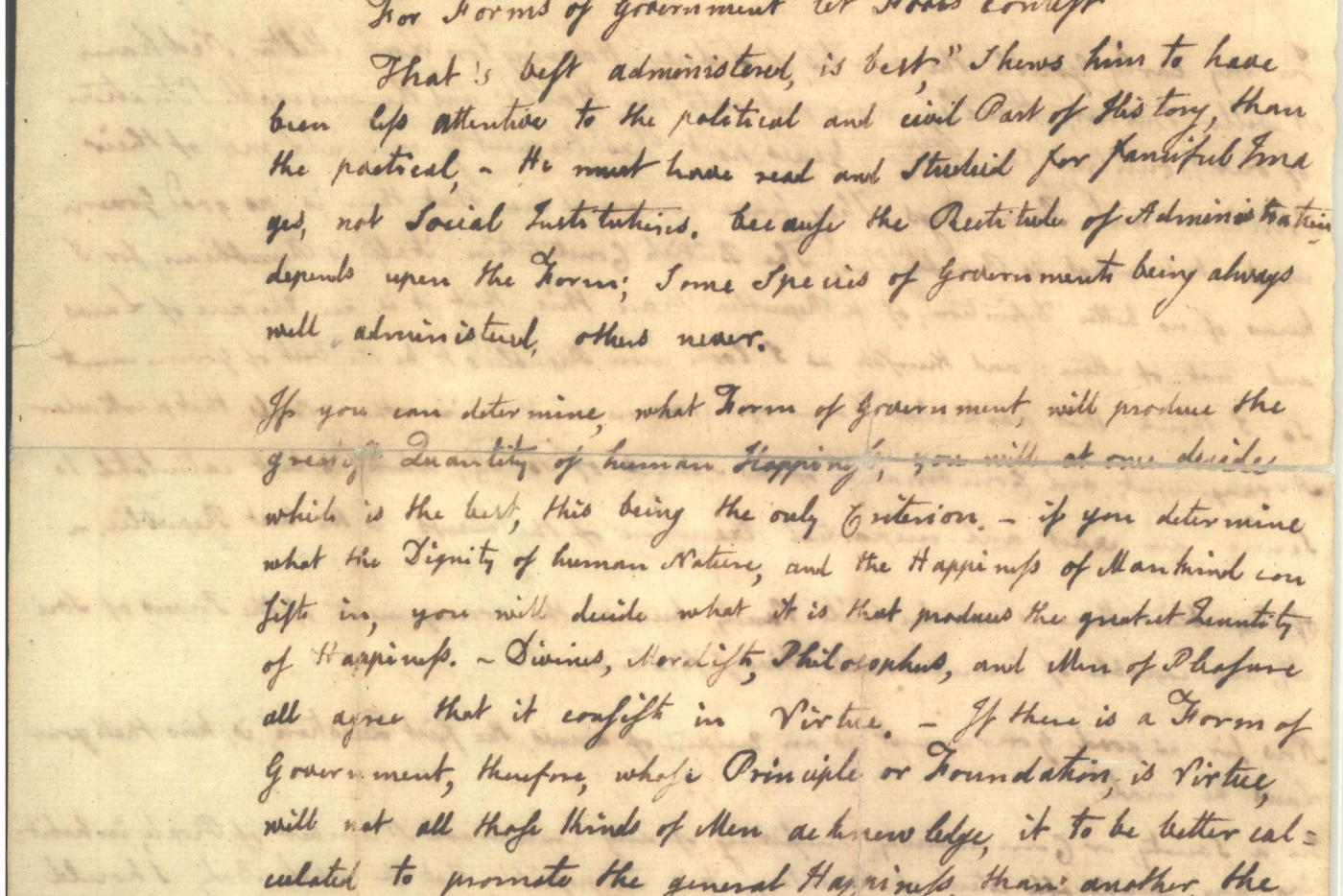
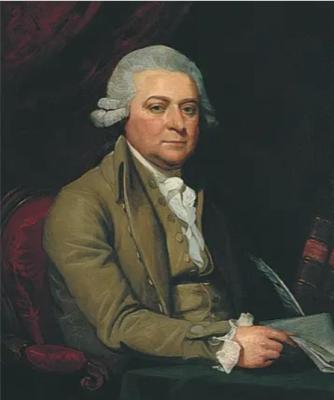
In March 1776, the Second Continental Congress met in Philadelphia and included North Carolina’s delegates William Hooper and John Penn. These representatives traveled to Pennsylvania knowing that they needed to lead the effort to create North Carolina’s first state constitution. With this goal in mind, the men asked Massachusetts delegate, John Adams, for his advice on the subject. Adams first wrote a letter to Hooper, and later, copied it for Penn. The advice was so well-received that leaders from other colonies also asked Adams for copies of the letter to help create their own constitutions. “Thoughts on Government” became a pamphlet the next month and circulated far and wide. It influenced the formation of multiple state constitutions, including North Carolina’s. In his letter to Hooper, Adams discussed many principles, including separation of powers and a system of checks and balances, which became the foundation of American government.
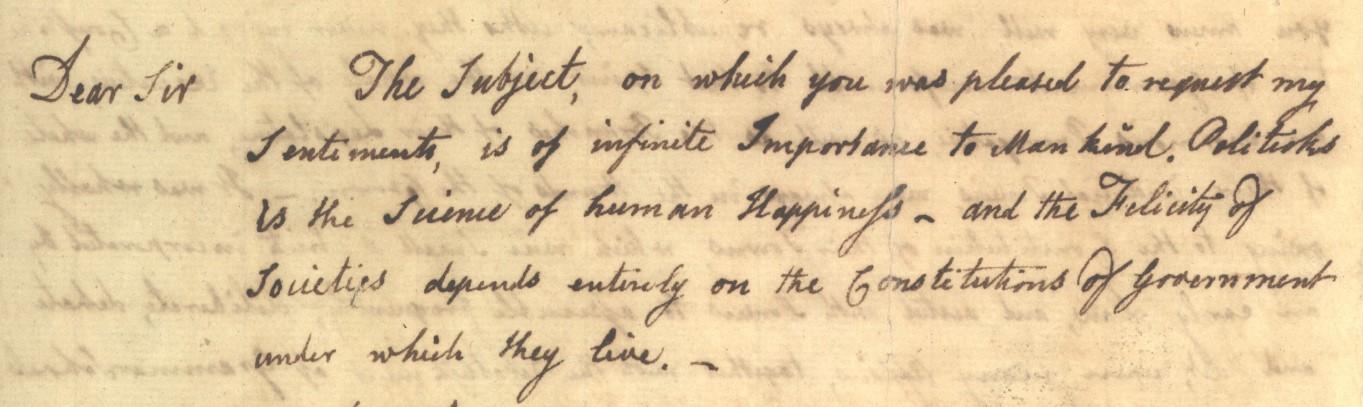
Dear Sir The Subject, on which you was pleased to request my
Sentiments, is of infinite Importance to Man kind. Politicks
is the Science of human Happiness—and the Felicity of
Societies depends entirely on the Constitutions of
Government under which they live
Hooper’s copy of John Adam’s letter is preserved in the State Archives of North Carolina. The work to create a new nation relied on the transition from colonial, or “provincial,” governments to become states. Between 1774 and 1776, five provincial congresses met in North Carolina. During these meetings, delegates created a new government structure, funded their efforts using bills of credit, and organized a provincial army. In addition, the Fourth Provincial Congress, which met in Halifax, in April 1776, drafted “the Halifax Resolves,” declaring North Carolina’s support for American independence from England. These resolves instructed North Carolina’s delegation to the second Continental Congress in Philadelphia to vote for independence from Great Britain. North Carolina was the first of the colonial governments to call for total independence from the British Crown, and, in doing so, motivated the writing of the Declaration of Independence, which was adopted by all colonies present on July 4, 1776.
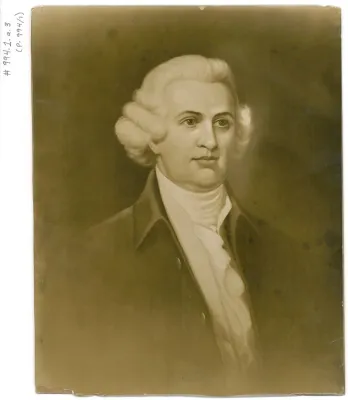
The Fifth Provincial Congress met in Halifax from November 12 to December 23, 1776, to write the first state constitution. Delegates looked back to John Adams’ advice and reviewed the new state constitutions from Virginia, Pennsylvania, Delaware, and New Jersey. Delegates selected Richard Caswell as president of the convention and then governor upon the adoption of the constitution. On December 17, 1776, North Carolina’s congress adopted the Declaration of Rights, and on the next day, December 18, delegates approved the State Constitution. The Declaration of Rights listed many important rights that would later appear in the federal Bill of Rights. These rights announced that the people hold power, defined the separation of government powers, and listed basic civil rights including freedom of religion and the right to a fair trial.